



Introduction
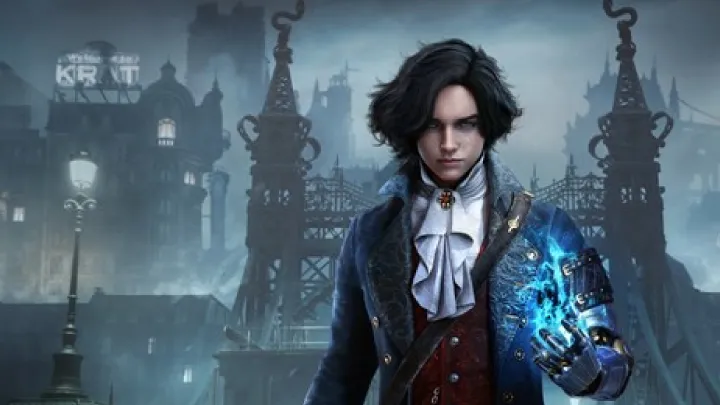
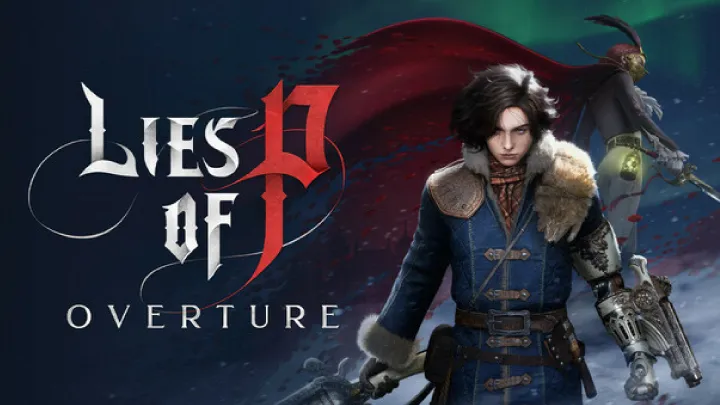
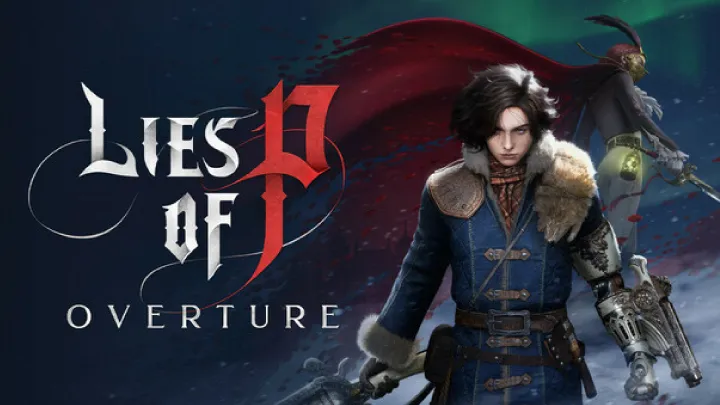
Lies of P, developed by Neowiz Games and inspired by the tale of Pinocchio, is a unique action RPG that challenges players with its intricate themes of mortality and morality. Set in a dark, Belle Époque-inspired world plagued by automatons and an insidious plague, the game intricately weaves a narrative that examines the human condition through the lens of a mechanical puppet on a quest for his creator. This article delves deeply into how Lies of P tackles the complex relationship between mortality and morality, exploring character design, storytelling, and gameplay mechanics that elevate these themes to the forefront of the player experience.
The Concept of Humanity in Lies of P
At the heart of Lies of P lies the question of what it means to be human. This theme is explored through the protagonist's journey and his interactions with various characters.
The Dichotomy of Human and Machine
- Pinocchio's Quest: The player embodies Pinocchio, a puppet striving to become human. This central conflict creates a narrative tension between artificiality and humanity, prompting questions about what constitutes true existence.
- Automatons as Reflections: The automatons in the game, though mechanical, exhibit varying degrees of humanlike behavior, further complicating the line between human and machine.
Themes of Identity
- Search for Purpose: As Pinocchio interacts with other characters, he grapples with his identity and purpose while learning about the complexity of human emotions.
- Moral Dilemma: The game encourages players to consider choices that reflect their understanding of morality, with Pinocchio's actions impacting both his growth and the world around him.
Storytelling Through Lies and Deception
The narrative design in Lies of P showcases the importance of lies, deception, and moral ambiguity, enriching the player's journey.
The Role of Lies in Shaping Character
- Mechanics of Deception: The game emphasizes the theme of lies, with Pinocchio's ability to lie influencing gameplay mechanics, such as dialogue choices and quest outcomes.
- Impact on Relationships: Lies have a dual effect, sometimes forging strong relationships while at other times severing them. This complexity allows for multilayered interactions that drive home the moral ambiguities present in human relationships.
Narrative Progression
- Branching Paths: Players’ choices lead to drastically different narrative outcomes, showcasing how lies can alter the storyline. This design element encourages repeated playthroughs to fully explore the implications of deception.
- Character Arcs: NPCs respond to Pinocchio’s choices in real-time, highlighting how even small lies can lead to significant consequences within their personal journeys.
Morality System: Choices and Consequences
In Lies of P, the morality system intricately connects player decisions to the storyline and character development.
Defining Good and Evil
- Moral Choices: The game provides players with choices that range from selfishness to altruism. Every decision reflects an aspect of morality, challenging players to consider the motivations behind their actions.
- Consequences of Actions: Players witness immediate repercussions of their choices, from shifts in narrative direction to changes in NPC behavior, thereby reinforcing the theme of moral accountability.
The Duality of Outcomes
- Good vs. Evil Paths: The morality system encourages players to navigate the fine line between good and evil, leading to diverging paths. One notable example is the differing fates of characters based on the player's moral decisions, which adds weight to the narrative.
- Writing Realism: NPCs may react to Pinocchio's decisions, adding layers of realism to the consequences players must face. This creates a nuanced experience that engages the player on moral and ethical levels.
Character Development: Growth Through Choices
Pinocchio's character growth serves as a conduit for exploring themes of mortality and morality in Lies of P.
Evolving Identity
- Self-Realization: As players progress, Pinocchio faces moral dilemmas that lead him to reflect on his identity. Decisions made throughout the game shape his journey towards understanding what it means to be human.
- Emotional Complexity: The emotional stakes rise as Pinocchio encounters loss, betrayal, and trust. These experiences add depth to his character, offering insight into human vulnerabilities.
The Influence of NPCs
- Developing Relationships: Interactions with NPCs highlight various aspects of morality that influence Pinocchio’s growth. Their responses to his decisions shape his understanding of right and wrong.
- Impactful Choices: Whether to betray or protect fellow characters results in varied outcomes and portrays the weight of morality in a fallen world.
Thematic Exploration: Death and Existence
Lies of P uses its dark atmosphere to probe into existential themes, particularly concerning death and how it influences morality.
Death as a Narrative Device
- Consequences of Mortality: The game’s setting is rife with death, reinforcing the grim reality that permeates the world. Characters confront mortality, leading to decisions shaped by the knowledge of life’s fragility.
- Reflection on Existence: These encounters with death challenge Pinocchio to consider his own existence. Can a puppet grasp the concept of mortality, and do his actions bear the weight of life and death?
Life Lessons Through Adversity
- Characters’ Fates: The deaths of certain NPCs serve as poignant moments that challenge Pinocchio's understanding of morality, pushing him to confront difficult questions regarding the value of life.
- Teaching Moments: Through tragic events, players are prompted to reflect on their choices and the overarching consequences that resonate beyond the immediate narrative.
Gameplay Mechanics: Integrating Themes into Action
Engagement in Lies of P extends beyond narrative and dialogue, deeply integrating its themes into gameplay mechanics.
Combat as Reflection
- Moral Dilemmas in Combat: Combat encounters provide opportunities for players to express their moral standing. Choosing to spare an enemy or go for a lethal strike can reflect broader themes of morality.
- Skill Trees and Choices: Players can develop skills that complement their character's morality, which links closely to whether they want to pursue a narrative of kindness or ruthless ambition.
Immersion Through Environment and Design
- Dark Aesthetic: The game's design elements enhance the exploration of mortality and morality. The dark, atmospheric environments set the tone for serious thematic exploration.
- Visual Storytelling: Various settings embody moral decay and loss, enriching the player’s experience by illustrating themes visually via environmental storytelling.
Reception and Impact: Critical Analysis
As Lies of P garners attention, critics have highlighted its unique approach to morality and mortality.
Positive Reception
- Innovative Narrative: Many reviews praise the intricate narrative that combines a classic tale with profound moral questions, providing a satisfying gaming experience that resonates deeply.
- Engagement Through Choices: The depth of choices and their consequences enhances the overall gameplay, encouraging multiple playthroughs and player engagement.
Critiques and Challenges
- Balancing Complexity: Some critics argue that while the intertwining themes are compelling, the gameplay can sometimes feel overshadowed by narrative complexity, leading to moments of disengagement.
- Player Expectations: With high expectations for the moral systems, certain elements may fall short, particularly in execution, as players navigate the fine line between storytelling and interactive gameplay.
The Future of Narrative-Centric Games
Lies of P may pave the way for future titles that prioritize morality and mortality in a way that influences player experience.
Expanding the Genre
- Darker Adventures: As players seek more emotionally charged narratives, similar games may emerge, exploring the intricate connection between moral choices and gameplay mechanics.
- Broader Appeal: Combining engaging gameplay with deep narrative elements can attract a wider audience, appealing to fans of both action RPGs and story-driven experiences.
The Evolving Nature of RPG Storytelling
- Iterative Design: Developers may be inspired to craft new experiences that delve into morality, beyond traditional role-playing constructs, paving the way for more thought-provoking storytelling.
- Player Agency: The success of Lies of P highlights the value of player agency within narratives, encouraging developers to prioritize meaningful choices and consequences in future title designs.
Conclusion: Navigating Lies and Truths in Lies of P
Lies of P is not just a game about a puppet's journey; it is a profound exploration of mortality and morality. Through its rich storytelling, complex characters, and impactful gameplay, the game challenges players to confront their own beliefs about existence and ethical choices. As Pinocchio navigates a world filled with lies and truths, players are compelled to consider the weight of their decisions and the intricate tapestry of human experience.
By intertwining themes of humanity, death, and moral complexity, Lies of P promises to leave a lasting impact on its players, inviting them to reflect upon their own journeys through the lens of a puppet searching for purpose in a chaotic, unforgiving world.