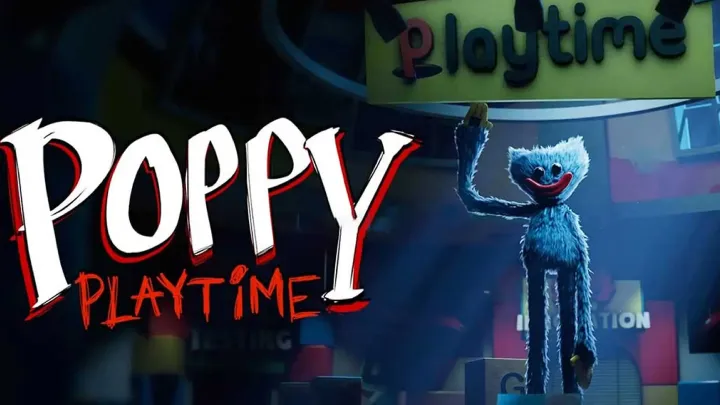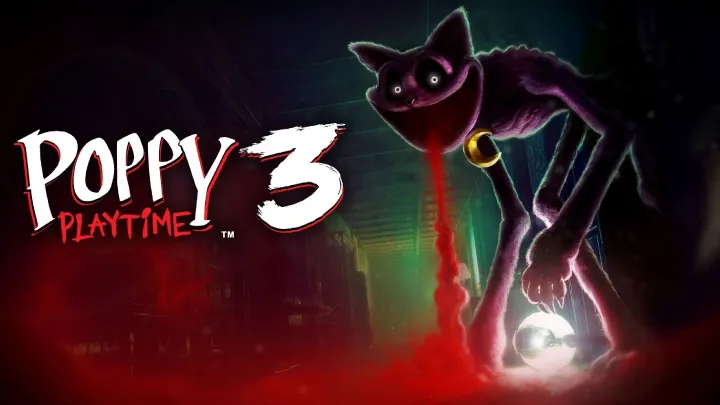


Following the success of Poppy Playtime Chapter 1 and Chapter 2, the gaming community has been buzzing with excitement and speculation about Poppy Playtime Chapter 3. Developed by MOB Games, this horror puzzle game series has captivated players with its eerie atmosphere, innovative gameplay mechanics, and engaging narrative. Chapter 3 promises to delve even deeper into the dark secrets of the toy factory and introduce new characters, challenges, and lore. This article explores the expectations, theories, and possibilities surrounding Poppy Playtime Chapter 3, alongside its potential impact on the horror genre and the gaming community.
Recap of Previous Chapters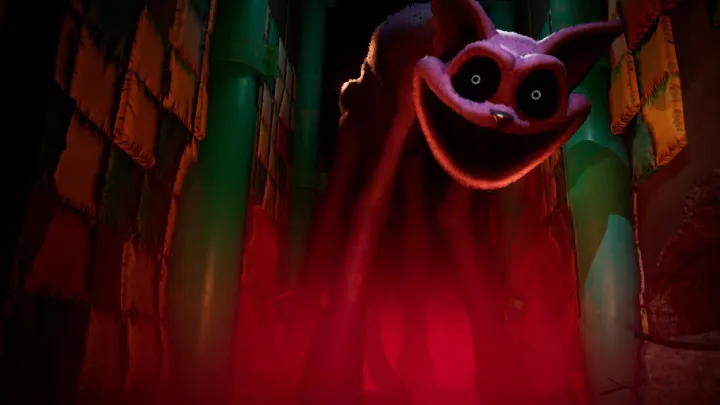
Chapter 1: The Beginning of the Horror
Poppy Playtime Chapter 1 introduced players to the abandoned toy factory, allowing them to navigate through eerie environments filled with animatronic toys and sinister puzzles.
- Introduction of Key Characters: Players encountered Huggy Wuggy, a creepy blue toy who quickly became a symbol of the franchise. The chapter set the tone for horror and suspense while introducing players to the mechanics of solving puzzles with the GrabPack.
- Establishing Lore: The lore was established through environmental storytelling, notes, and the atmosphere, hinting at dark secrets hidden within the factory.
Chapter 2: Expanding the Narrative
Chapter 2 followed the first chapter's success, offering new gameplay mechanics and delving deeper into the story.
- New Protagonist: Hornet: Players switched to Hornet, who brought agility and new combat mechanics, enriching the gameplay experience. The introduction of fresh challenges and enemies added complexity.
- Lore Expansion: Chapter 2 expanded the narrative by revealing more about the factory's history and the origins of the toys, further engaging players in the unfolding horror.
Expectations for Chapter 3
Narrative Development
Players are eager to see how the story will continue in Poppy Playtime Chapter 3, particularly regarding the existing lore and new character arcs.
- Further Exploration of the Factory: Following the established patterns, players expect deeper exploration of new areas within the factory, with each location revealing more about the sinister workings of the toy-making process.
- Character Arcs: The narrative may focus on the relationship between Hornet, Poppy, and other introduced characters, exploring themes of identity, betrayal, and survival. Players are particularly interested in uncovering Hornet's backstory and her connections to the other characters.
New Gameplay Mechanics
As with previous chapters, players anticipate the introduction of innovative gameplay mechanics that enhance the overall experience.
- New Tools and Gadgets: Players expect the return of the GrabPack, potentially enhanced or combined with new tools that increase the variety of puzzle-solving techniques. This could include items that manipulate the environment or aid in combat.
- Combat Challenges: The game may introduce new enemy types and mechanics that require players to adapt their strategies. Players hope for dynamic combat situations where quick reflexes and clever tactics are essential.
Visual and Audio Enhancements
Given the success of the art style and sound design in earlier chapters, players are eager to see visual and auditory improvements in Chapter 3.
- Improved Graphics: Advances in graphics and animation could result in even more immersive environments, with richer textures and detailed character models that enhance the horror atmosphere.
- Dynamic Sound Design: Players expect an even more captivating audio experience, with a soundtrack and sound effects that heighten tension and enhance the emotional impact during key gameplay moments.
Thematic Elements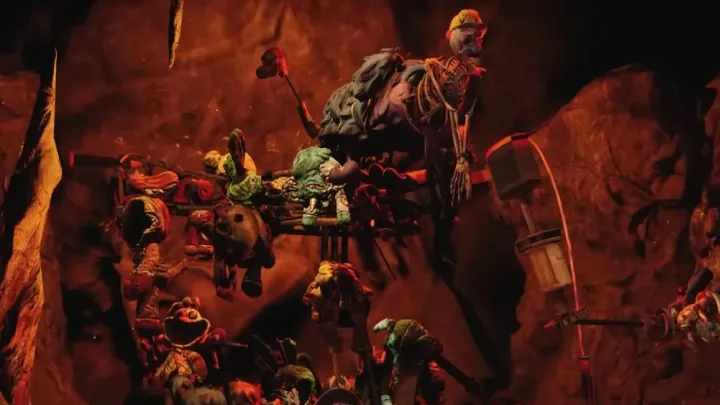
Fear and Trust
Throughout Poppy Playtime, themes of fear and trust have been prominent, and players expect this to continue in Chapter 3.
- Distrust of Characters: The game’s narrative may play on the idea that not everything or everyone is as they seem. Players might encounter characters that appear to be allies but could have ulterior motives.
Nostalgia versus Horror
One of the most compelling aspects of Poppy Playtime is the juxtaposition of childhood nostalgia and horror.
- Tension Between Innocence and Darkness: Chapter 3 is likely to explore this theme further, using childhood memories of toys and play to create an unsettling atmosphere that challenges players’ perceptions of safety.
Community Speculation and Engagement
Fan Theories
The Poppy Playtime community is alive with theories about Chapter 3, generating excitement and speculation.
- Character Connections: Fans are busy discussing the possible character connections and backstories of Hornet and Poppy, with theories about their roles in the factory's dark history evolving over time.
- Narrative Twists: The potential for surprises and twists in the storyline keeps players immersed in conversations around what they believe might happen next. The community thrives on sharing their predictions and dissecting clues from previous chapters.
Community Content
The Poppy Playtime community’s engagement extends beyond theory crafting; players are also generating extensive content that enhances the game’s presence.
- Fan Art and Videos: Players create and share fan art, gameplay videos, and theories on platforms such as YouTube, Twitter, and Reddit, contributing to the game's growing culture and excitement surrounding upcoming content.
- Speedruns and Challenges: As the community invests time in mastering the game, speedrunning contests and challenges allow players to engage competitively and showcase their skills.
Anticipating Impact
Influence on the Horror Genre
Poppy Playtime has already made significant strides in the horror genre, and Chapter 3 is poised to continue this trend.
- Innovative Mechanisms: The game's integration of puzzle-solving with horror gameplay mechanics could inspire other developers to explore similar concepts, enriching the horror gaming landscape.
- Storytelling Through Gameplay: The narrative depth and environmental storytelling found in Poppy Playtime may encourage other horror titles to prioritize crafting meaningful stories within their worlds.
Continuation of Indie Success
The success of Poppy Playtime illustrates the potential impact of indie games in a competitive market.
- Empowering Indie Developers: The positive reception of Poppy Playtime demonstrates that indie developers can produce high-quality content that resonates with players, potentially paving the way for new ideas and innovations in the industry.
Conclusion
Poppy Playtime Chapter 3 holds great promise as it seeks to build on the foundations laid by its predecessors, offering players continued exploration of the eerie toy factory and the dark secrets it harbors. With the potential for an engaging narrative, innovative gameplay mechanics, and captivating visuals, the anticipation surrounding Chapter 3 reflects the community's deep investment in the game. As fans eagerly await its release, the cultural phenomenon of Poppy Playtime continues to thrive, pushing boundaries and captivating players through a chilling blend of horror and nostalgia. The journey through the world of toys that turn on their creators is far from over, and Chapter 3 is set to deliver new thrills that will keep players on the edge of their seats.